cat nasal polyp sound
My 10 year old cat has always had a Stridor and stertor problem. Commonly observed clinical signs include sneezing increased respiratory sounds and nasal congestion.
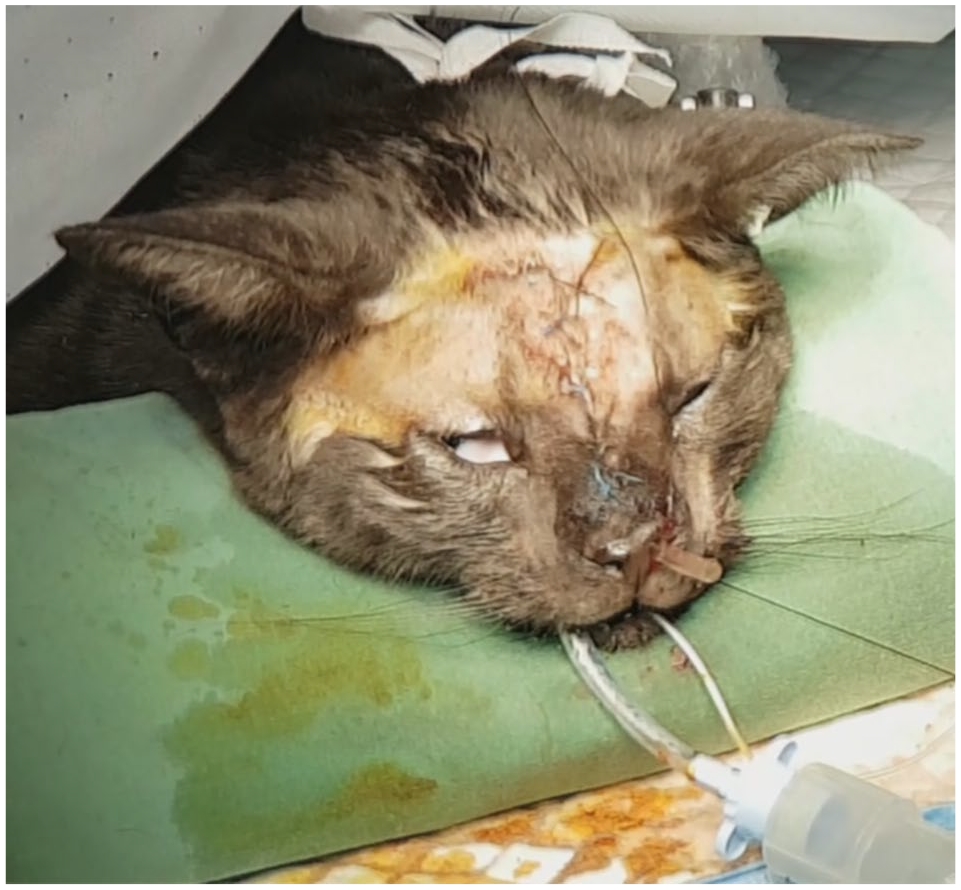
Partial Resolution Of Chronic Unilateral Sinonasal Obstructive Disease In A Cat Using A Temporary Polyvinylchloride Stent
It is a low-pitched snoring type of sound that usually arises from the vibration of fluid or the vibration of tissue that is relaxed or flabby.
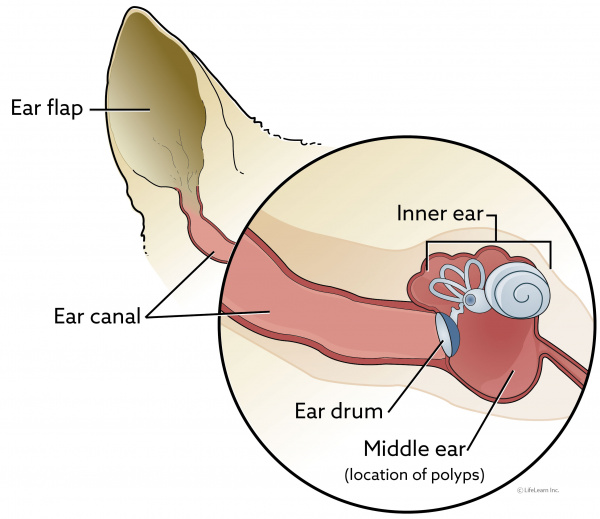
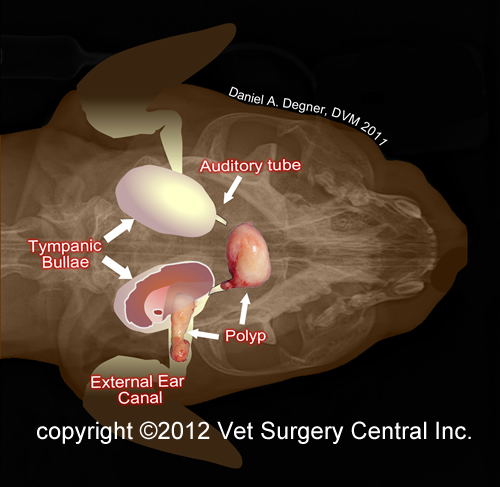
. Where a polyp is nasopharyngeal so not in the ear but at the back of the throat above the soft palate the cat normally shows more respiratory-type signs. If this occurs the cat develops nasal discharge and sneezing. Though technically benign ie not having the tendency to spread or worsen appreciably nasopharyngeal polyps can cause big problems for cats.
History clinical signs endoscopy and histopathology. Polyps may be up to 1-2 cm in length extending into the nasal passages or the ear canal. Nasopharyngeal polyps Inflammatory Polyps Ear canal tumors may develop from any of the structures lining or supporting the ear canal including the outer layer of skin the glands that produce earwax and oil or any of the bones connective.
Chronic nasal congestion could point to a nasal polyp in cats. Stone points out that they are almost always observed in young adults and occasionally kittens. In cats most commonly these are benign nasopharyngeal polyps.
But its just a swooshing sound and on its own it doesnt tell us that much. Its been a rough week for Rocket. If youve been reading this blog for awhile youll no doubt recall that over the months weve been trying to get to the bottom of and treat the cause of Rockets chronic nasal congestionOur most recent efforts included working with a veterinary homeopath out of Denver.
The higher-pitched sounds result when relatively rigid tissues vibrate with the passage of air. Secondary bacterial infections can develop due to the blockage and accumulation of secretions. Nasopharyngeal polyps impact your cats breathing.
It gets worse when she is straining using the litter box or is stressed at the groomer. The discharge may be clear or have some blood in it. Can interfere with respiration.
Pedunculated growths usually found in kittensyoung cats. It usually arises from airway blockage in the throat pharynx. Although nasopharyngeal polyps can develop in cats of all ages and are occasionally diagnosed in elderly cats Dr.
Parasites Unwelcome parasite infections like feline heartworms and lungworms can wreak havoc on the lungs resulting in breathing abnormalities. Nasopharyngeal polyps impact your cats breathing. Cat With Ear Polyp Vomiting Cat Cat with Heart Murmur Wheezing Cat and More.
These are blobs of inflammatory tissue that protrude into. Occasionally we see some other signs like. GAAAK was the sound he made when he inhaled like he was trying to breathe through the worst clogged nose in the world.
Read more can cause signs of upper respiratory disease such as increased sounds associated with breathing sneezing and nasal. The polyps obstruct the passage of air so affected cats usually develop a distinctive snorting sound as they breathe. She said it could be a congenital abnormality or a mechanical obstruction whatever that is.
Weight loss Refusal to drink or eat Swallowing difficulties Ear infection The odor from the ear Nystagmus Ear scratching Balance problems Head shaking Head tilt Nasal discharge Noisy breathing Changes in meow Difficulty breathing. Cats can develop benign growths in their nasal passages that make it difficult to breathe. She suggested a CT scan for and to see a specialist to come up with a plan which involves lotsa.
The signs will typically include noisy breathing sneezing and gagging says Dr. These polyps are composed mostly of inflammatory cells covered by a layer of epithelial cells modified skin cells that extend over the surface of the polyp. Secondary bacterial infections can develop due to the blockage and accumulation of secretions resulting in nasal discharge.
Nasal noise in cat. Read more can cause signs of upper respiratory disease such as increased sounds associated with breathing sneezing and nasal. Nasopharyngeal polyps Inflammatory Polyps Ear canal tumors may develop from any of the structures lining or supporting the ear canal including the outer layer of skin the glands that produce earwax and oil or any of the bones connective.
Signs and treatments. A change in voice. Nasal polyps are most frequently observed in young cats.
They are usually diagnosed in animals under the age of two and cause symptoms that include some combination of the following. In some cases these signs may be accompanied by a phenomenon called reverse sneezinga sudden alarming honking sound that the frustrated cat makes in an apparent effort to clear its throat. May be associated with upper respiratory tract infection and otitis media.
It seems to come and go and at times sounds like has a rattly snore on almost every breath and at times it is not there at all. May involve middle ear oropharynx or nasopharynx. These include sneezing nasal discharge sometimes reverse sneezing a startling honking sound thats basically a reflex caused by the cat trying to clear the throat.
Nasal polyps are most frequently observed in young cats. A nasopharyngeal polyp as a cause of respiratory stertor in a cat by Jaime Chin. The problem Domino had is called a nasal polyp.
All to say I would be looking for other reasons for your cat to be sleepy and while a murmur could be on that list lethargic cats are definitely worth a vet visit. Older cats however may also be affected. Common symptoms of nasal polyps in cats may include the following.
When she purrs it sometimes comes out in. Labored and noisy breathing nasal discharge head shaking sneezing difficulty in swallowingall of these clinical signs suggest that a cat is harboring an upper respiratory problem. CVE CT Series September 2010 Issue 260 Winner of Best Pics.
Stridor is high-pitched noisy breathing. The vet said the possibility of nasal polyps is possible but highly unlikely due to his age at only 5 months old. The signs of nasal polyps often mimic an upper respiratory infection however these signs may persist with little response to medical therapy.
Nasopharyngeal polyps Any tumor growing in the back of the throat can lead to increased respiratory noise. Affected cats may have trouble. The discharge may be clear or have some blood in it.
The polyps obstruct the passage of air so affected cats usually develop a distinctive snorting sound as they breathe.
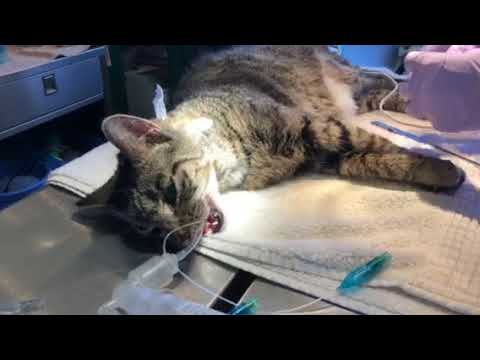
Nasopharyngeal Polyp In A Cat Removal Cost And Veterinary Advice Youtube
Nasal Polyps In Cats What You Need To Look For Cat Lovers
Animal Surgical Center Of Michigan Veterinarian In Flint Mi
Nasopharyngeal Polyps In Cats Vca Animal Hospital

Nasal Polyps In Cats Symptoms And Treatment Options Kingsdale Animal Hospital
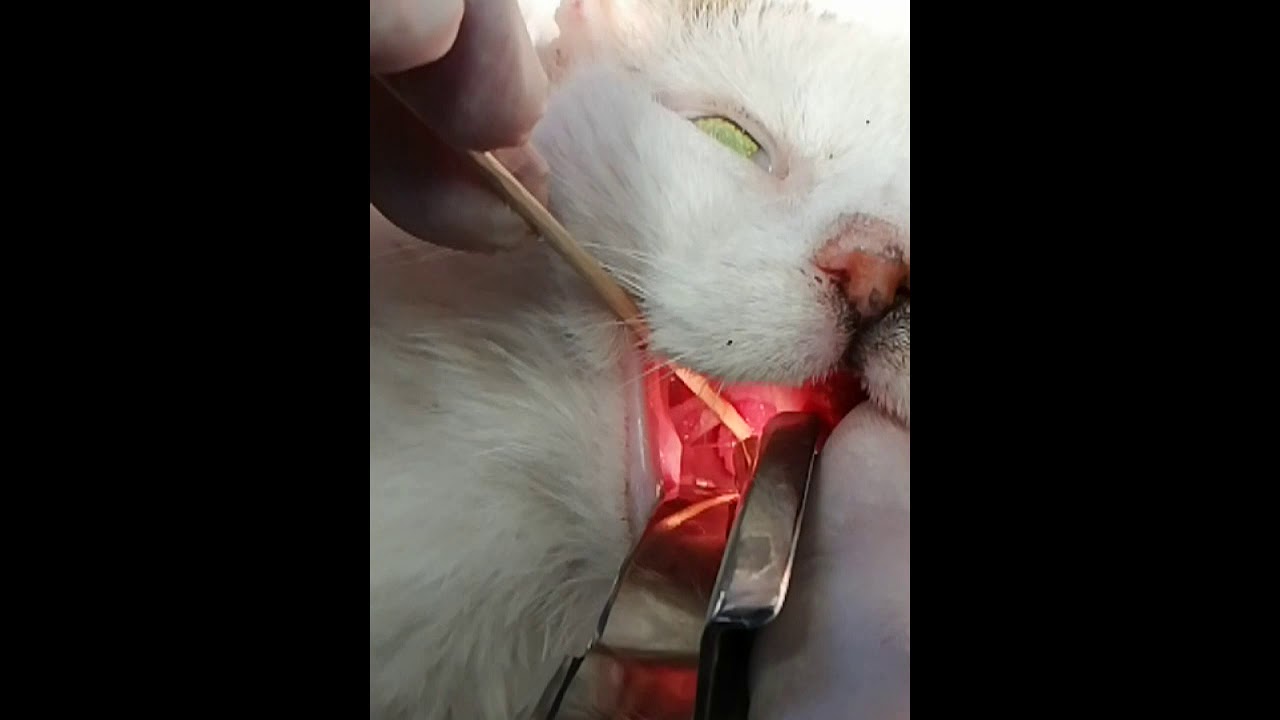
Nasopharyngeal Polyp Cat Youtube
What Are Polyps And How Are They Treated In Cats Vet Help Direct
Following A Different Path Purrrfectly Holistic A Boutique For Cats Purrrfectly Holistic A Boutique For Cats

Antelope Animal Hospital Nasopharyngeal Polyp

Nose And Sinus Inflammation In Cats Petmd
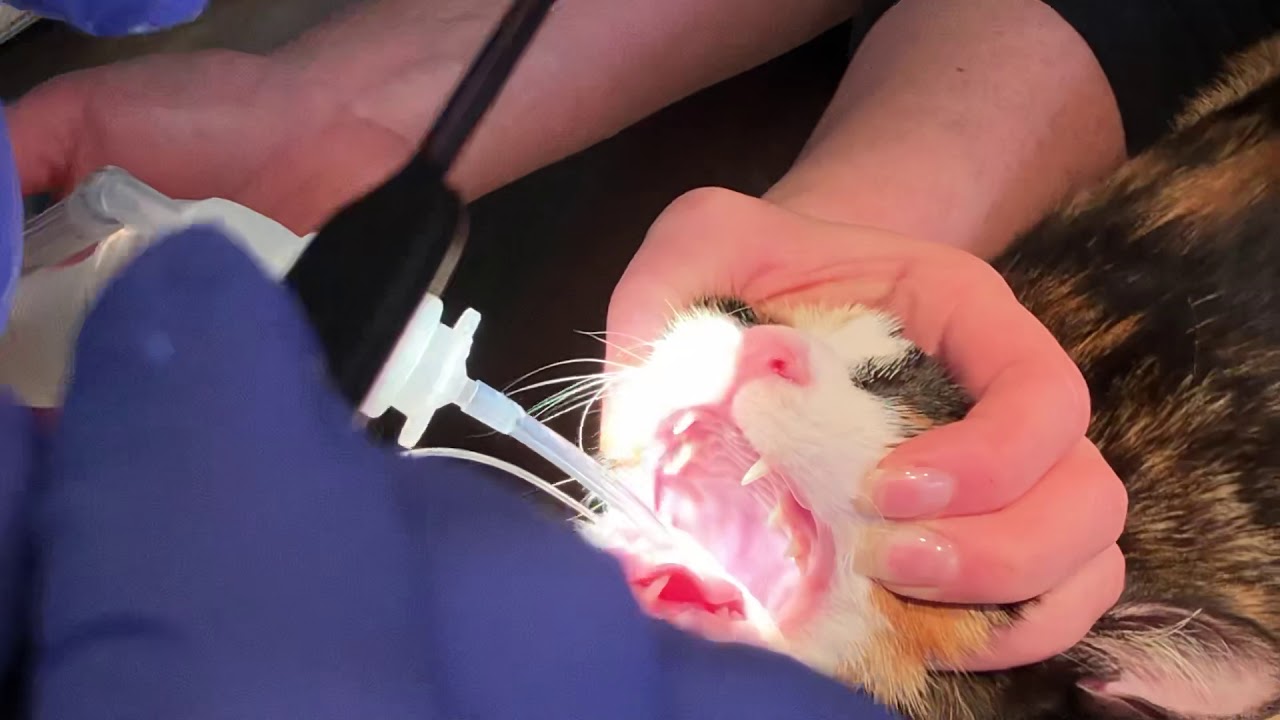
Edie And Her Nasopharyngeal Polyp Removal See How What This Looks Like And How Big They Can Get Youtube

Cat Snoring Reasons And Treatment Options Vet Advice
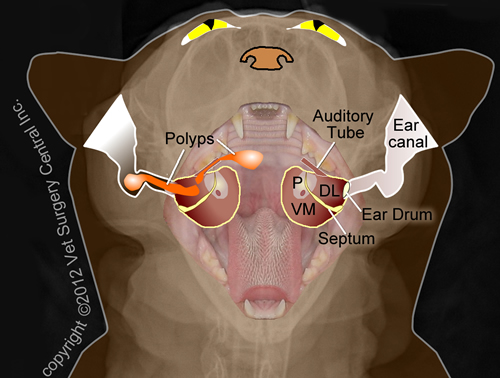
Nasopharyngeal Polyps A Tricky Airway Problem In Cats Criticalcaredvm

Cat Owners Beware Of Polyps The River Reporter

Cat Sinus Infection Home Remedies

Symptoms Cat Clinic Of Issaquah

Facial Distortion And Epiphora In A Cat With A High Grade Large B Cell Download Scientific Diagram
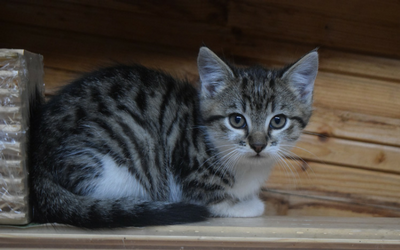
Nasal Polyps In Cats Vca Animal Hospital
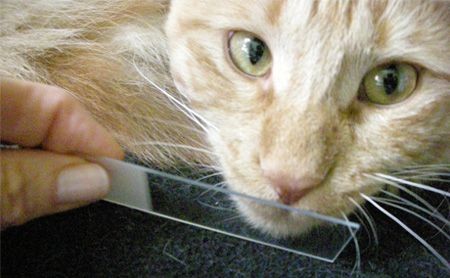
A Rundown On Runny Noses A Sniff Of What You Should Know About Chronic Feline Sneezers And Snufflers